









Karwa Chauth is a Hindu festival observed by many women, especially in North India. Traditionally, women keep a fast from sunrise until moonrise and pray for the well-being and long life of their husbands. The day can include dressing up, gathering with family, sharing stories and prayers, and waiting together for the moon. Customs vary between families and communities, and many people today adapt the fast to their own health and circumstances.
A nourishing sargi—the pre-dawn meal traditionally prepared by a mother-in-law or family member—can help make the day more comfortable. But no meal can guarantee that everyone will feel well through a full day without food or water. The goal is to choose sustaining foods, plan ahead, and listen to your body.
Build a balanced sargi plate
Aim for a mix of slow-release carbohydrates, protein, healthy fats, and fruit or vegetables. For example:
- Wholegrain carbohydrates: oats, whole-wheat roti, wholegrain toast, or a small portion of poha or upma.
- Protein: eggs, plain yogurt, paneer, milk, dal, or chickpeas.
- Healthy fats: a small handful of nuts or seeds.
- Fruit and vegetables: banana, apple, orange, cucumber, or other water-rich produce.
- Fluids: drink water steadily before the fast begins.
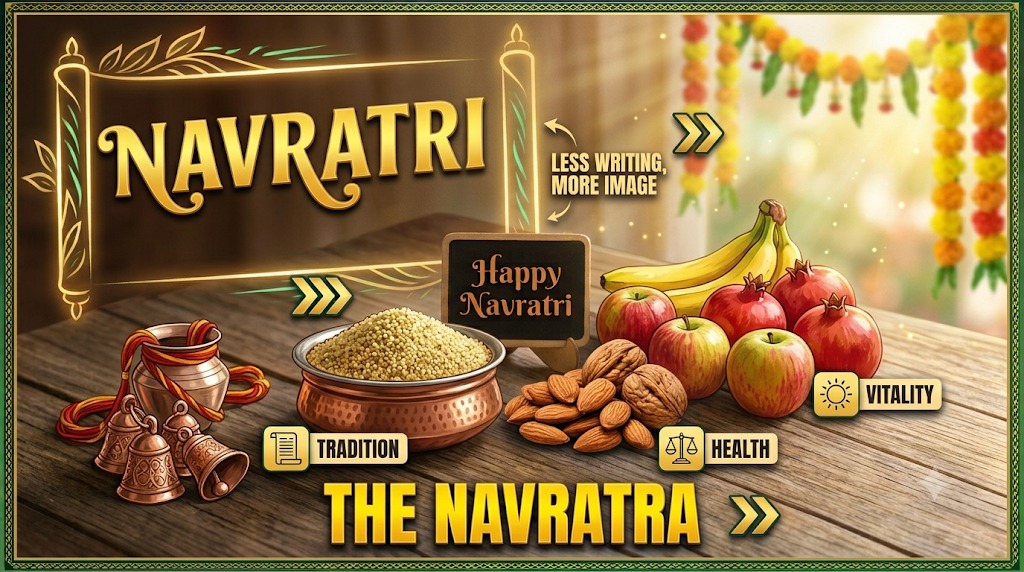
One satisfying sargi could be vegetable-studded besan chillawith plain yogurt, a banana, a few almonds, and water. Another option is oats cooked with milk, topped with fruit, nuts, and seeds, plus an egg or some yogurt. Choose familiar foods and a portion that leaves you comfortably full.
Go easy on very salty foods, such as pickles and packaged snacks, and on very sugary sweets. They may leave you thirstier or hungry again sooner. Don’t force a huge meal or try to “stock up” by drinking excessive amounts of water at once; spread fluids across the time you’re able to eat and drink. These choices reflect general fasting meal guidance from health authorities.
How to care for yourself during the fast
Keep the day as gentle as you can. Avoid strenuous exercise and long periods in the heat, and rest when you feel tired. If you have responsibilities that involve heavy physical work, consider arranging a lighter schedule if possible. Pay attention to how you feel rather than pushing through severe discomfort.
A fast without water can be risky for some people. If you have diabetes, a condition affected by missed food or fluids, take medication that needs food or water, or are pregnant or breastfeeding, speak with a healthcare professional before fasting. They can help you understand whether fasting is safe for you and how to manage medicines and meals.
Stop the fast and seek help if you feel seriously unwell.Warning signs can include fainting, confusion, severe weakness, persistent vomiting, or symptoms of dehydration such as very dark urine and dizziness that doesn’t settle. Health and safety matter more than completing a fast.
Who Should Be Careful Before Fasting?
Although Karwa Chauth fasting is an important tradition for many women, fasting without food or water may not be suitable for everyone. Certain health conditions, medications, and life stages can increase the risk of dehydration, low blood sugar, or other complications.
Women who should seek medical advice before fasting include:
- Women with diabetes: Fasting may cause low or high blood sugar, particularly in those taking insulin or certain diabetes medications.
- Pregnant or breastfeeding women: Nutritional and fluid requirements may be higher, making a fast without food or water potentially risky.
- Women with kidney disease or other chronic health conditions: Fluid restriction and missed meals may worsen some medical conditions.
- Women taking regular medication: Some medicines need to be taken with food or at specific times, so a healthcare professional should advise on safe use.
- Women with a history of fainting, low blood pressure, or frequent dizziness: Fasting and dehydration may aggravate these symptoms.
- Women recovering from illness or experiencing weakness, vomiting, or dehydration: It may be safer to postpone fasting until they have recovered.
Breaking the fast after moonrise
After the prayer and moonrise rituals, start gently. Have water and a small snack, such as fruit, soup, or a little yogurt, then give yourself time before eating a full meal. Eat slowly and stop when comfortably satisfied.
For the main meal, picture a balanced plate:
- Half vegetables: cooked sabzi, salad, or soup.
- About a quarter protein: dal, beans, chickpeas, paneer, eggs, fish, or chicken.
- About a quarter grains or starchy food: roti, rice, or another grain.
- Add yogurt or fruit if you’d like, and keep fried foods and very rich sweets to a moderate portion.
For example, you could have dal, roti, mixed vegetable sabzi, cucumber raita, and fruit. Another option is chicken or paneer, rice, cooked vegetables, and yogurt. Keep drinking fluids gradually through the evening.
Conclusion
Karwa Chauth brings together faith, family, and tradition. A thoughtful sargi and a gentle meal after moonrise can support your comfort, but fasting affects people differently. Choose foods that suit you, pace your day, and take symptoms seriously. The most meaningful celebration is one that honours both your tradition and your well-being.
Dr. Manvir Bhatia
Neurology & Sleep Specialist
Neurology & Sleep Centre, Delhi
Contact – 9643500270
Email- info@neurologysleepcentre.com