





Written by Gurleen and Reviewed by Dr. Manvir Bhatia-27/04/2026
Fatty liver disease is rapidly becoming one of the most common lifestyle-related health concerns worldwide—and most people don’t even know they have it. Often called a “silent” condition, fatty liver develops gradually, without obvious symptoms, while quietly affecting one of the body’s most vital organs: the liver.
What Is Fatty Liver (MASLD)?
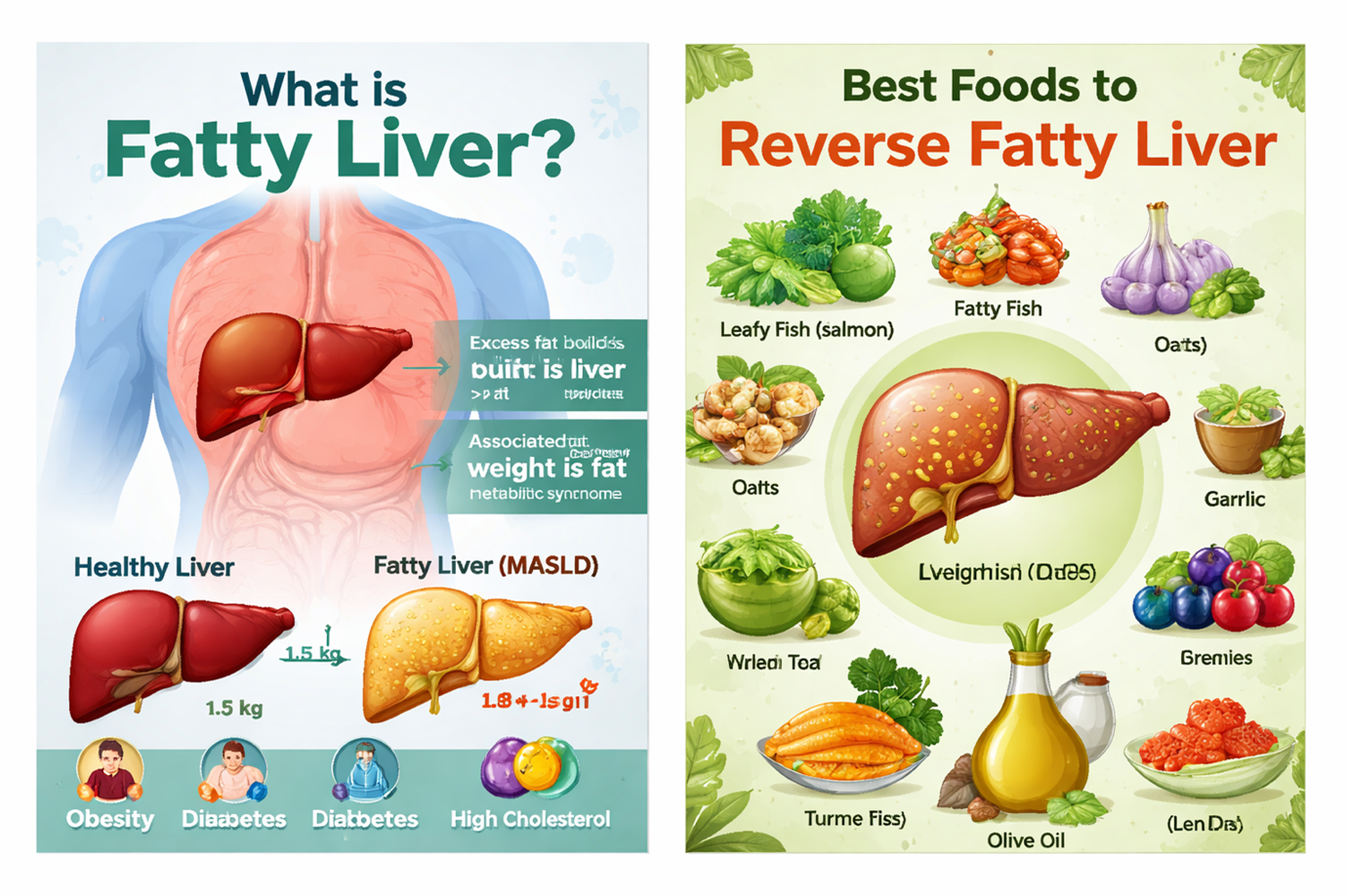
Fatty liver occurs when excess fat builds up in the liver cells. Medically, it is diagnosed when fat makes up more than 5–10% of the liver’s total weight, or when at least 5% of liver cells contain fat droplets.
The liver is the body’s largest internal organ and one of its most important metabolic centers. It plays a crucial role in:
- Processing nutrients
- Producing bile for digestion
- Storing glycogen for energy
- Detoxifying harmful substances
- Supporting metabolism and hormone balance
When excess fat begins to accumulate in the liver, these functions can become impaired—setting the stage for inflammation, metabolic dysfunction, and long-term liver damage.
Why the Name Changed: From Fatty Liver to MASLD
Fatty liver is now recognized under a broader and more medically accurate term: Steatotic Liver Disease (SLD). One of its most common forms is Metabolic Dysfunction–Associated Steatotic Liver Disease (MASLD)—previously known as Non-Alcoholic Fatty Liver Disease (NAFLD).
MASLD occurs when fat builds up in the liver due to metabolic problems such as:
- Obesity
- Insulin resistance
- High cholesterol
- Type 2 diabetes
If not addressed early, MASLD can progress to more serious liver conditions such as:
- MASH (Metabolic Dysfunction–Associated Steatohepatitis)
- Liver fibrosis
- Cirrhosis
- Liver failure in advanced stages
The Global Rise of Fatty Liver Disease
MASLD has become the most common chronic liver disease in the world, and the numbers are rising fast. Current global estimates show:
- Around 30% of the world’s population may be affected
- Nearly 1 in 3 adults globally may have fatty liver
- Rising obesity and diabetes are major drivers of this trend
This growing burden reflects a major shift in global health—where modern lifestyle habits are increasingly damaging metabolic health and liver function.
Why MASLD Is Rising in India
India is witnessing a sharp rise in fatty liver disease due to urbanization, reduced physical activity, poor dietary habits, and rising metabolic disorders.
Current estimates suggest:
- 25–38% of Indian adults may have MASLD
- Urban populations are at significantly higher risk
- Cases are increasing among young adults and even adolescents
This rise is closely linked to modern lifestyle patterns—especially central obesity, sedentary behavior, processed diets, and poor sleep.
Who Is at Higher Risk?
Your risk of developing MASLD is significantly higher if you have:
- Central obesity (belly fat)
- Type 2 diabetes
- High triglycerides
- Sedentary lifestyle
- Insulin resistance
- Polycystic Ovarian Syndrome (PCOS)
Even individuals who are not visibly overweight can develop fatty liver—especially if they have poor metabolic health.
How Is MASLD Diagnosed?
MASLD is diagnosed when liver fat is present along with at least one metabolic risk factor. Common diagnostic tools include:
- Ultrasound
- FibroScan
- MRI-PDFF
- Liver biopsy (gold standard)
Doctors also assess metabolic markers such as:
- Waist circumference
- Blood sugar levels
- Triglycerides
- HDL cholesterol
- Blood pressure
- Insulin resistance
Can Fatty Liver Be Reversed?
Yes—and that is the good news.
Fatty liver, especially in its early stages, is often reversible. The most effective treatment is not a miracle drug, but consistent lifestyle change.
1. Focus on Weight Loss
Even modest weight loss can significantly improve liver health:
- 5% weight loss reduces liver fat
- 7–10% weight loss improves inflammation
- 10% or more may improve fibrosis
Sustainable weight loss works best. Crash dieting should be avoided, as it can worsen liver stress.
2. Eat for Liver Health
A Mediterranean-style eating pattern is one of the most effective diets for MASLD. Focus on:
- Fresh vegetables and fruits
- Whole grains
- Lentils and legumes
- Nuts and seeds
- Olive oil
- Fish and lean protein
This approach reduces inflammation, improves insulin sensitivity, and supports liver repair.
3. Increase Fiber Intake
Fiber supports gut health, metabolic balance, and liver function. Include more:
- Oats
- Barley
- Whole wheat
- Lentils
- Vegetables
4. Cut Back on Sugar
Excess sugar—especially fructose—is one of the biggest contributors to liver fat. Limit:
- Sugary drinks
- Sweetened juices
- Desserts
- Refined flour products
5. Choose Healthy Fats
Replace unhealthy fats with better options such as:
- Olive oil
- Nuts
- Seeds
- Fatty fish
Avoid:
- Deep-fried foods
- Processed snacks
- Trans fats
6. Move Every Day
Regular exercise helps reduce liver fat—even without major weight loss. Aim for:
- Brisk walking
- Cycling
- Swimming
- Resistance training
Exercise improves insulin sensitivity and supports better metabolic health.
7. Improve Gut Health
A healthy gut supports a healthier liver. Add:
- Fermented foods
- Probiotics
- Prebiotic fiber
This may help reduce inflammation and improve metabolic function.
8. Prioritize Sleep and Stress Management
Poor sleep and chronic stress can worsen metabolic dysfunction and contribute to fatty liver progression.
Support liver health by aiming for:
- 7–8 hours of quality sleep
- Stress reduction practices
- Yoga
- Meditation
The Bottom Line
Fatty liver (MASLD) is one of the most common—and most overlooked—metabolic health conditions today. The good news is that it is often reversible when identified early.
With the right lifestyle changes—healthy eating, regular movement, weight control, better sleep, and stress management—you can reduce liver fat, improve metabolic health, and protect your liver for the long term.
Your liver works hard for you every day. Taking care of it starts with the habits you build today.