





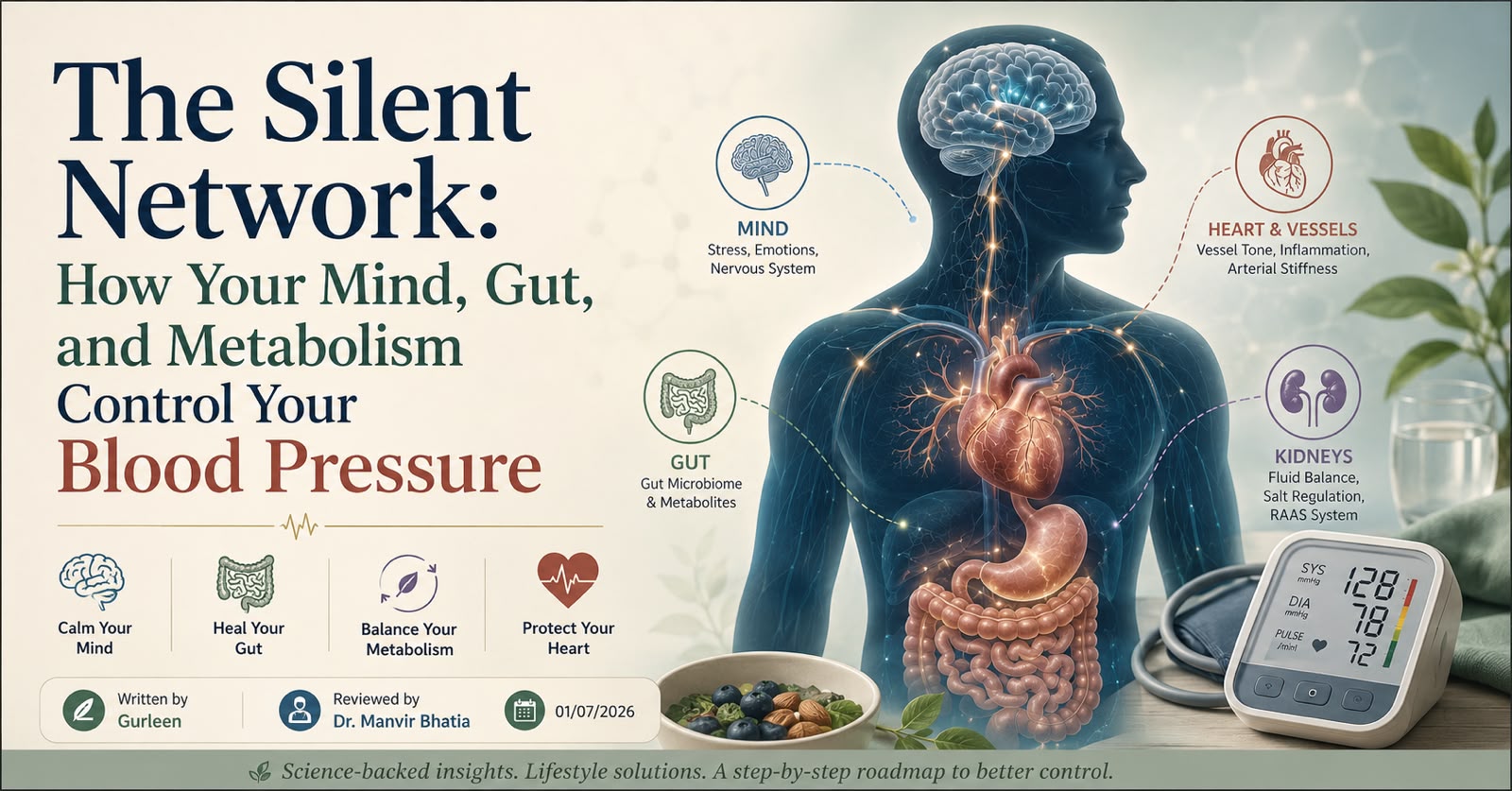
The silent network: How your mind ,gut, and metabolism control your blood pressure.
For decades, we’ve been told a very simple story about high blood pressure (hypertension). Eat too much salt, and your arteries clog up, your heart pumps harder, and the pressure goes up.
But medicine has evolved significantly. The landmark 2025 AHA/ACC Hypertension Guidelines and cutting-edge clinical studies from 2025 and 2026 have completely changed our understanding of the condition. Hypertension isn’t just a mechanical plumbing problem—it is a complex, systemic metabolic and inflammatory disorder. (taken reference from pmc.ncbi.nlm.nih.gov.)
If you are trying to understand high blood pressure, what you read a few years ago is officially outdated. Let’s break down the hidden drivers behind your blood pressure readings, what recent science says, and a clear, evidence-based roadmap to managing it.
Definition of Hypertension
Hypertension is the medical term for high blood pressure. Hypertension, or high blood pressure, is a chronic medical condition in which the force of blood pushing against the walls of your arteries is consistently too high. Over time, this forces your heart to work harder and can cause serious damage, increasing the risk of heart attacks and strokes.
Hypertension is officially diagnosed when your blood pressure readings consistently exceed( 130/80 mm Hg).
Function & Symptoms
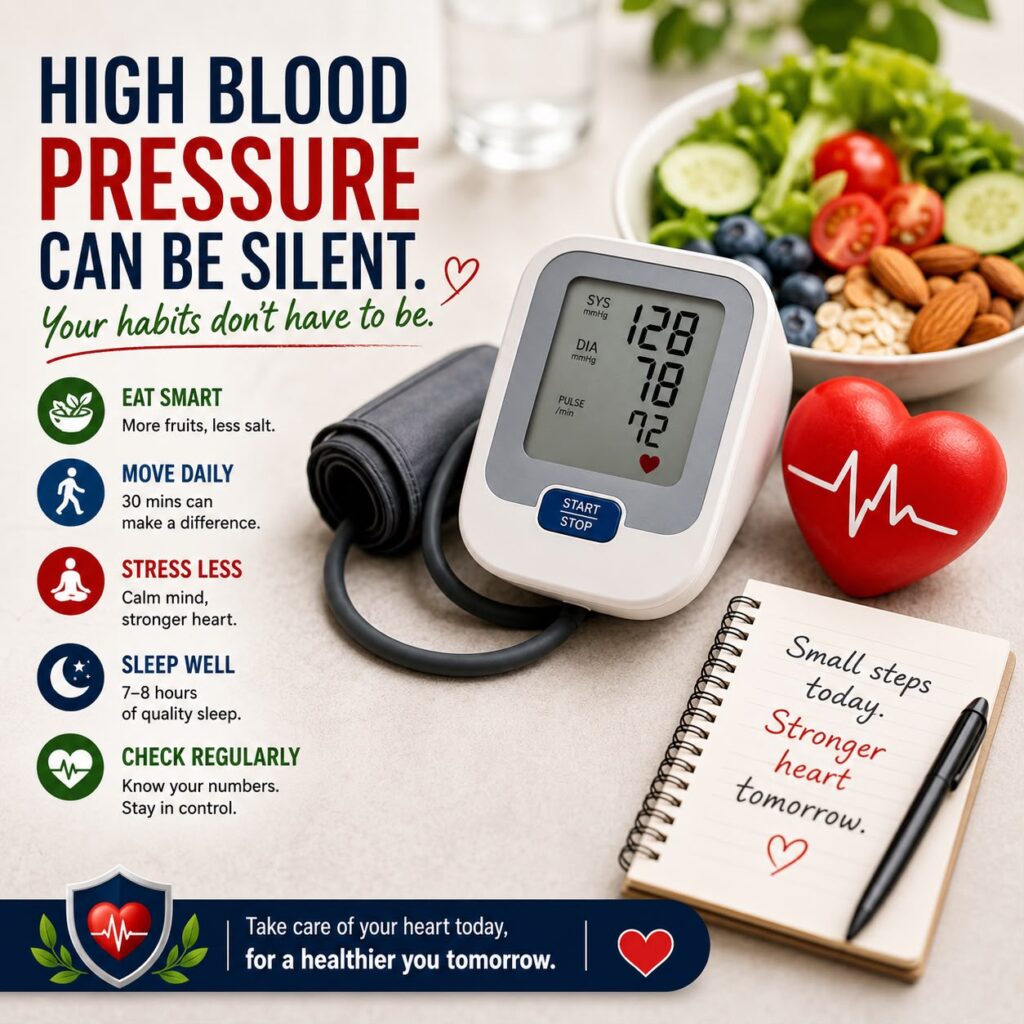
Systolic Pressure (Top Number): The force when your heart actively pumps blood into the aorta
Diastolic Pressure (Bottom Number): The resting pressure inside the aorta between beats.
The body’s natural systems adapt, compensate, and ultimately malfunction to keep your blood pressure high.
Hypertension isn’t just a random state; it is a highly coordinated, structural shift in your body’s survival mechanisms. The condition functions through three consecutive physiological phases: Triggering, Compensating, and Target Organ Damage.
The Silent Nature of Hypertension
You have likely heard hypertension called the “Silent Killer.” It earned that name because early and mid-stage high blood pressure usually features zero symptoms. By the time someone experiences chronic headaches, dizziness, or blurry vision, the pressure has often been damaging their organs for years. Relying on “how you feel” to gauge your blood pressure is one of the most dangerous mistakes you can make.
Phase 1: The Triggering Phase (The Network Resets)
Your body has standard built-in “thermostats” called baroreceptors located in your neck and chest that monitor blood pressure. If pressure rises, they instantly signal your brain to slow down your heart and widen your blood vessels.( Baroreceptors are pressure sensors in the neck and chest that detect changes in blood pressure and signal the brain to maintain normal blood pressure.) ( took reference from ncbi.nlm.nih,gov)
When chronic stress, poor diet, or genetics enter the picture, these baroreceptors malfunction:
- The Resetting Phenomenon: The baroreceptors habituate to higher pressures. They stop firing warning signals at (120/80 mm-Hg )and accept( 140/90 mm-Hg )as the “new normal.”
- Sympathetic Drive Overdrive: The brain signals the sympathetic nervous system (your fight-or-flight response) to constrict blood vessels permanently, increasing resting friction across the body.
Phase 2: The Compensatory Phase (The Fluid & Muscle Shift)
Once the brain resets its target pressure, your heart and kidneys are forced to change how they function to maintain that high-pressure state.
1. The Kidney’s Salt Retaining Function
Your kidneys act as the ultimate regulators of volume. Under high sympathetic stimulation, they misinterpret the narrowing of blood vessels as a sign of blood loss. In response, they over-activate the Renin-Angiotensin-Aldosterone System (RAAS). Instead of filtering out excess fluids, the kidneys actively reabsorb extra sodium and water back into the bloodstream. This increases total blood volume, structurally enforcing the high pressure.
2. Left Ventricular Hypertrophy (The Heart’s Muscle Growth)
Because the heart must pump blood against tightly constricted, stiff arteries, it faces immense resistance. To cope, the muscle fibres in the heart’s main pumping chamber—the left ventricle—grow thicker and larger, exactly like a bicep muscle lifting heavy weights.
While this allows the heart to keep pumping against high pressure in the short term, it creates a fatal long-term design flaw: the thickened muscle wall becomes stiff, leaves less room inside the chamber for blood, and requires vastly more oxygen to survive.
Phase 3: The Target Organ Damage Phase (The Biological Toll)
Eventually, your organs can no longer handle the mechanical strain. Modern cardiovascular medicine defines this final phase as Target Organ Damage (TOD).
The high pressure functions to systematically break down four specific areas of the body:
1. The Brain (Macro vascular Damage)
The constant high pressure wears down the large arteries leading to the brain. Over time, it accelerates atherosclerosis (plaque buildup) or destabilises thin vessel walls, creating a high-risk environment for a blood clot to block blood flow (Stroke) or a vessel to burst under the pressure (Hemorrhagic Stroke).
2. The Kidneys (Microvascular Filtration Failure)
Inside your kidneys are millions of microscopic, delicate filtering units called nephrons. High systemic pressure functions like a pressure washer blasting a window screen—it rips through these tiny filters. The kidneys lose their ability to filter toxins, allowing protein to leak into your urine (proteinuria), which ultimately leads to chronic kidney disease.
3. The Heart (Pump Failure)
As the left ventricle grows continually thicker and stiffer, it loses its elastic ability to relax and fill with blood between beats. This results in Diastolic Heart Failure (Heart Failure with Preserved Ejection Fraction)—a condition where the heart pumps normally but cannot fill adequately, causing fluid to back up into the lungs.
4. The Eyes (Retinopathy)
The blood vessels feeding the retina are among the smallest and most fragile in the human body. Hypertension causes these tiny vessels to twist, leak fluid, or bleed. The body attempts to compensate by growing new, erratic blood vessels, which leads directly to blurred vision or blindness.
The Scientific Takeaway: Hypertension functions as an adaptive, survival mechanism gone wrong. What begins as a temporary response to stress or metabolic imbalance eventually remodels your heart, kidneys, and blood vessels, turning a functional defence mechanism into a destructive disease.
Causes
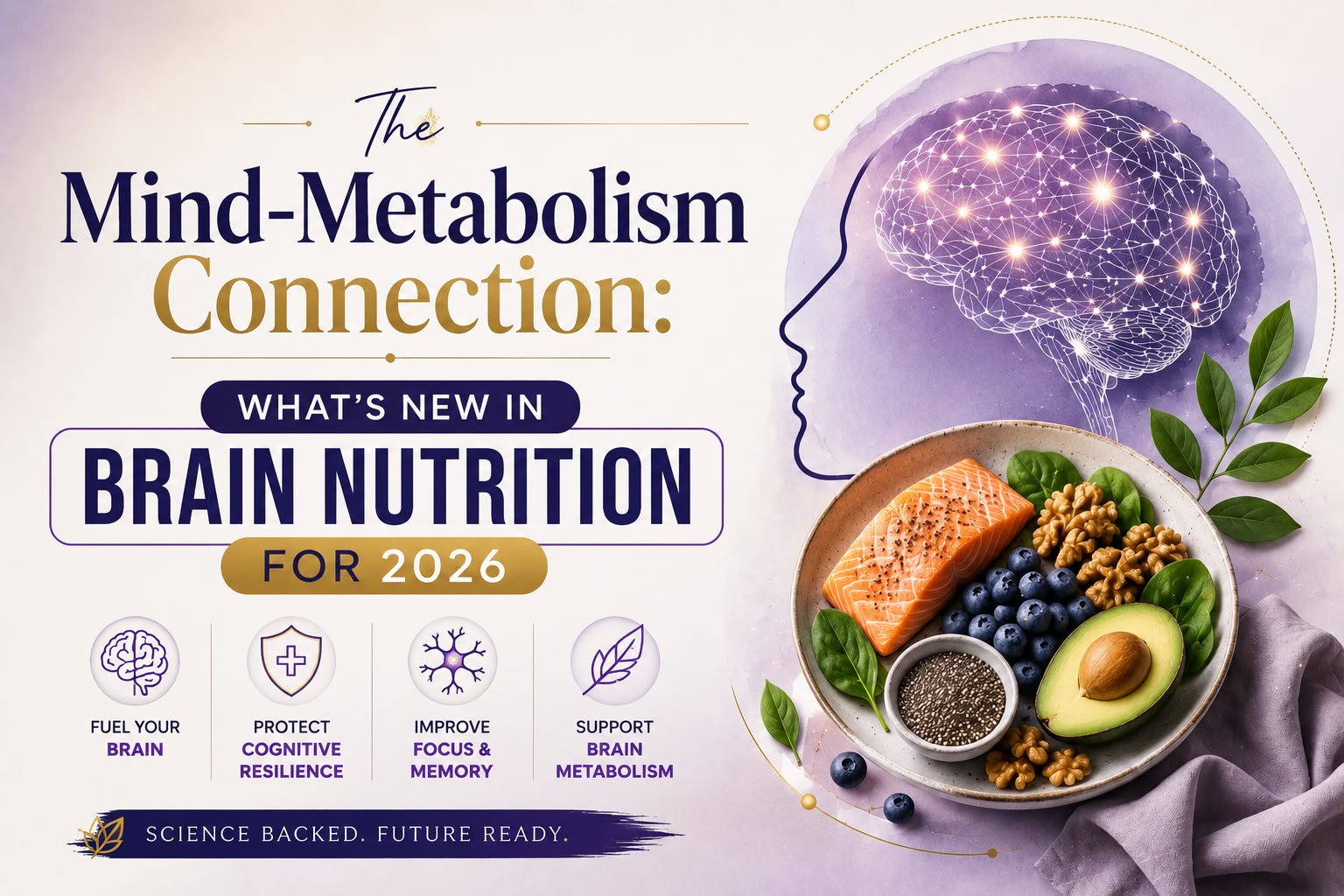
Traditional causes like genetics, lack of exercise, sleep apnea, and chronic stress still matter. However, the most groundbreaking shift in 2025–2026 research focuses heavily on metabolism and the gut microbiome (the trillions of bacteria living in your digestive tract).
Recent American Heart Association (AHA) scientific advisories highlight exactly how your metabolism and gut bacteria actively dictate your daily blood pressure: (taken reference from www.ahojournals.org)
The Good Metabolites (SCFAs): When you eat plenty of prebiotic fibre, healthy gut bacteria ferment it into Short-Chain Fatty Acids (SCFAs) like butyrate and acetate. These SCFAs enter your bloodstream and act as natural chemical signals that tell your blood vessels to relax and widen, lowering your blood pressure.
The Bad Metabolites (TMAO): Conversely, a low-fibre diet heavy in processed meats feeds opportunistic gut bacteria. These bacteria produce a toxic compound called TMAO (Trimethylamine N-oxide). High TMAO levels directly trigger vascular inflammation, stiffen arterial walls, and disrupt how your kidneys manage sodium.
Metabolic Syndrome Link: Hypertension is heavily intertwined with insulin resistance. When your body has to overproduce insulin to process sugar, that excess insulin signals your sympathetic nervous system to speed up your heart rate and forces your kidneys to retain extra salt.
Treatment: Step-by-Step Method
Modern medicine avoids rushing straight to aggressive, high-dose prescriptions. Instead, the latest guidelines recommend a highly structured, progressive framework based on your absolute cardiovascular risk.
Here is the aligned step-by-step approach doctors use to lower your blood pressure safely:
1. Establish an Accurate Baseline & Calculate Risk: Weeks 1–2.
Confirm your true average numbers using validated home blood pressure tracking. Your doctor will then use modern clinical tools like the PREVENT Calculator to evaluate your 10-year and 30-year risk of heart disease, incorporating your kidney health and metabolic markers. (taken reference from www.ahojournals.org)
2. Deploy Targeted Lifestyle Modifications: Months 1–3.
If your numbers are in the elevated or mild hypertension range (130-139 / 80-89 mmHg) and your overall cardiovascular risk is low (less than 7.5%), spend 3 to 6 months focusing entirely on lifestyle adjustments. This includes shifting to a high-potassium, gut-friendly diet and introducing stress-reduction habits.
3. Incorporate Low-Impact Mind-Body Exercise: Ongoing.
Recent 2025/2026 clinical trials published in the Journal of the American College of Cardiology revealed that low-impact, rhythmic mind-body exercises—specifically the ancient practice of Baduanjin (gentle, flowing movements combined with controlled breathing)—can reduce systolic blood pressure by up to 3-5 mm-Hg. This is nearly as effective as a first-line medication and helps calm the nervous system without placing high physical stress on the heart.
4. Initiate Low-Dose Medication (If Needed): Medical Guidance.
If lifestyle changes do not bring your numbers below( 130/80 mm-Hg )or if your initial risk profile is high, your doctor will introduce medication. Modern clinical protocol prefers starting with low doses of two complementary medications (like an ACE inhibitor paired with a low-dose calcium channel blocker) rather than maxing out a single drug. This approach targets multiple physiological pathways at once, yielding better control with far fewer side effects.
5. Explore Advanced Therapies for Resistant Cases: Specialist Care.
For cases where blood pressure remains high despite using three different medications, the latest guidelines introduce advanced medical options like Renal Denervation—a minimally invasive procedure that uses ultrasound or radio-frequency energy to safely calm overactive nerves leading to the kidneys.
Conclusion
We used to look at hypertension through a very narrow lens—as a simple mechanical issue of aging or eating too much salt. The science of 2025 and 2026 has definitively blown that old model wide open. Your blood pressure is a dynamic, living reflection of how well your mind, your metabolism, and your gut bacteria are talking to one another.
The fact that it is a “silent” condition shouldn’t cause panic; instead, let it be an invitation to be proactive. Because high blood pressure is connected to so many systems in your body, it means you have multiple pathways to improve it. You are no longer just cutting things out of your life; you are actively adding protective foods, tracking your trends with precision, and calming your nervous system with intentional movement.
Managing your blood pressure isn’t a temporary fix or a short-term diet. It is about understanding your body’s unique internal network and using a step-by-step, aligned approach to keep that network running smoothly for decades to come.
Written by Gurleen and Reviewed by Dr. Manvir Bhatia-01/07/2026