

Written by Gurleen, Reviewed by Dr. Manvir Bhatia, Dated 23/03/2026.
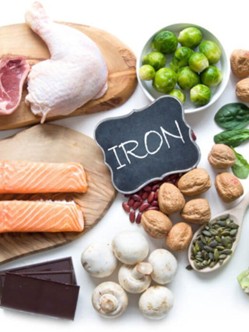
Iron deficiency is one of the most common nutritional deficiencies in India, affecting children, women of reproductive age, pregnant women, and even men with poor dietary intake or chronic illnesses. Understanding iron from a nutritional lens helps in both prevention and effective treatment.
What is Iron?
Iron is an essential mineral required by the body for the formation of haemoglobin — the protein in red blood cells that carries oxygen from the lungs to all body tissues. Without adequate iron, the body cannot produce enough healthy red blood cells, leading to iron deficiency anemia.
Dietary iron exists in two forms:
- Heme Iron – Found in animal foods (absorbed better)
- Non‑heme Iron – Found in plant foods (absorption depends on other dietary factors)
Since a large Indian population follows vegetarian or plant‑dominant diets, understanding absorption becomes extremely important.
Functions of Iron in the Body
Iron plays multiple vital roles beyond haemoglobin formation:
- Formation of haemoglobin and myoglobin
- Oxygen transport to tissues and muscles
- Energy production at the cellular level
- Brain development and cognitive function
- Immunity support
- Regulation of body temperature
- Enzyme synthesis and metabolic reactions
- Hair, skin, and nail health
Causes of Iron Deficiency
Iron deficiency develops when there is an inadequate intake, absorption, or storage of iron.
A. Dietary Causes
- Low intake of iron‑rich foods
- Vegetarian diets without proper combinations
- Excess junk/processed food consumption
- Low-calorie or restrictive dieting
B. Physiological Causes
- Pregnancy and lactation
- Menstruation (heavy periods)
- Growth spurts in children/adolescents
C. Medical Causes
- Chronic blood loss (piles, ulcers)
- Worm infestation
- Malabsorption (IBS, celiac disease)
- Kidney disorders
- Post‑surgery blood loss
D. Lifestyle Factors
- Excess tea/coffee intake with meals
- Crash dieting
- Poor gut health
Symptoms of Iron Deficiency
Symptoms may range from mild to severe:
Early Symptoms
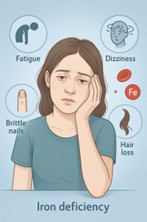
- Fatigue, weakness
- Pale skin
- Headache
- Irritability
- Poor concentration
Moderate Deficiency
- Hair fall
- Brittle nails
- Cold hands & feet
- Dizziness
- Shortness of breath on exertion
Severe Deficiency (Anemia)
- Rapid heartbeat
- Chest pain
- Spoon‑shaped nails (Koilonychia)
- Cracks at the mouth corners
Metabolism & Absorption of Iron
Iron absorption mainly occurs in the duodenum and upper jejunum of the small intestine.
Steps in Iron Metabolism
- Dietary iron enters stomach
- Gastric acid converts ferric iron (Fe³⁺) → ferrous form (Fe²⁺)
- Absorbed through intestinal mucosal cells
- Binds to transferrin in blood
- Stored as ferritin in liver, spleen, bone marrow
- Used for RBC production in bone marrow
Factors Affecting Absorption
- Vitamin C increases absorption
- Gastric acid improves conversion
- Healthy gut lining is essential
Vegetarians absorb ~3–8% iron vs 15–35% from heme sources.
Treatment Through Diet & Supplements
A. Dietary Treatment
Focus on daily inclusion of iron‑rich foods with absorption enhancers.
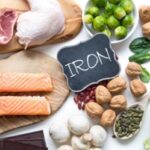
Iron‑Rich Vegetarian Foods (Indian)
- Garden cress seeds (Halim/Aliv)
- Black chana
- Jaggery (gur)
- Dates, raisins
- Lotus stem (Kamal kakdi)
- Spinach, bathua, chaulai
- Beetroot
- Soybean
- Rajma, lobia
- Bajra, ragi
- Sesame seeds (til)
- Pumpkin seeds
Non‑Vegetarian Sources
- Liver
- Red meat
- Egg yolk
- Chicken
- Fish (sardines)
B. Sample Iron‑Boosting Combinations
- Palak dal + lemon squeeze
- Bajra roti + jaggery
- Sprouts chaat + amla
- Poha + peanuts + lemon
- Halim laddoo + milk (separate timing)
C. Supplements (If Prescribed)
Doctors may prescribe:
- Ferrous sulfate
- Ferrous ascorbate
- Carbonyl iron
- Iron folic acid (IFA)
Guidelines:
- Take on an empty stomach if tolerated
- Avoid tea/coffee 1 hr before/after
- Combine with a vitamin C source
- May cause constipation or black stools
Blood Tests for Iron Deficiency Or Diagnosis
Key diagnostic tests include:
- Hemoglobin (Hb)
- Serum Ferritin (best storage marker)
- Serum Iron
- Total Iron Binding Capacity (TIBC)
- Transferrin Saturation
- RBC indices (MCV, MCH, MCHC)
- Peripheral smear
Ferritin <15–30 ng/ml usually indicates deficiency.
Foods That Deplete Iron or Inhibit Absorption
These should not be taken with iron‑rich meals:
Beverages
- Tea (tannins)
- Coffee
- Green tea (excess)
- Cola drinks
Foods
- Excess bran
- Calcium supplements
- Excess dairy with meals
- Processed soy isolates
- Antacids
Dietary Practices
- Drinking tea immediately after meals
- High phytate diets without soaking/sprouting
Foods & Combinations That Increase Iron Absorption
Vitamin C Rich Foods
- Amla
- Lemon
- Orange
- Guava
- Tomatoes
- Capsicum
Natural Enhancers
- Fermented foods (idli, dosa)
- Sprouted legumes
- Soaked pulses
- Tamarind (small amounts)
Best Indian Meal Combinations
- Rajma + onion + lemon salad
- Chole + tomato gravy
- Ragi dosa + chutney + sambar
- Palak paneer + phulka + lemon
- Sprouts bhel + raw mango
Practical Diet Tips
- Cook in an iron kadai when possible
- Add lemon at the end of cooking
- Soak & sprout legumes
- Avoid tea/coffee near meals
- Include jaggery instead of sugar
- Add seed powders to rotis
Conclusion
Iron deficiency is preventable and treatable with the right dietary planning, especially within Indian meal patterns. Combining iron-rich foods with absorption enhancers, correcting inhibitors, and using supplements when medically necessary can effectively restore iron levels and prevent anemia-related complications.
A food‑first approach, supported by timely lab investigations and supplementation, remains the most sustainable strategy for long‑term iron health.