






Written by Gurleen, Reviewed by Dr. Manvir Bhatia, Dated 18/03/2026.
Magnesium is one of the most essential minerals required for the proper functioning of the human body. Often called the “relaxation mineral”, magnesium plays a vital role in maintaining muscle function, nerve signaling, heart rhythm, bone strength, and energy production. Despite its importance, magnesium deficiency is becoming increasingly common due to refined diets, stress, and poor food choices.
According to the ICMR-NIN (Indian Council of Medical Research – National Institute of Nutrition) dietary guidelines, magnesium is an essential micronutrient that adults require daily for maintaining metabolic balance and cellular health. For Indian adults, the recommended dietary allowance (RDA) is approximately 310–340 mg/day depending on age and gender.
A well-balanced Indian diet containing whole grains, pulses, nuts, seeds, and green vegetables can usually meet the body’s magnesium requirement.
What is Magnesium & Why Do We Need It?
Magnesium is a major mineral (macro-mineral) present in every cell of the body. About 60% of magnesium is stored in bones, while the rest is found in muscles, tissues, and body fluids.
It acts as a cofactor for more than 300 enzymatic reactions, meaning it helps enzymes perform important metabolic processes. These processes include energy production, protein synthesis, muscle contraction, nerve function, and regulation of blood pressure.
Magnesium also plays a significant role in maintaining electrolyte balance, which is important for heart health and nerve communication.
Functions of Magnesium:

1. Energy Production
Magnesium is required for converting food into energy (ATP production). Without sufficient magnesium, the body may experience fatigue and low energy levels.
2. Muscle Function & Relaxation
Magnesium helps muscles contract and relax properly. Adequate intake prevents muscle cramps, spasms, and stiffness.
3. Nervous System Regulation
It supports nerve transmission and brain function, helping maintain calmness and reducing stress or anxiety.
4. Bone Health
Nearly half of the body’s magnesium is stored in bones, where it works with calcium and vitamin D to maintain bone density and strength.
5. Heart Health
Magnesium helps regulate heart rhythm, blood pressure, and vascular function.
6. Blood Sugar Regulation
It plays a role in insulin function and glucose metabolism, making it important for people with diabetes or metabolic disorders.
7. Protein and DNA Synthesis
Magnesium assists in cell growth, repair, and protein formation, which is vital for tissue health.
Causes of Magnesium Deficiency
Magnesium deficiency (hypomagnesemia) can occur due to inadequate dietary intake, poor absorption, or excessive loss of magnesium from the body.
1. Low Intake of Whole Foods
Diets high in refined grains, processed foods, and sugar contain very little magnesium.
2. Poor Soil Quality
Modern agricultural practices may reduce the magnesium content of soil, lowering the mineral content in crops.
3. Gastrointestinal Disorders
Conditions such as:
- Chronic diarrhea
- Celiac disease
- Crohn’s disease
can impair magnesium absorption.
4. Excessive Alcohol Intake
Alcohol increases magnesium loss through urine.
5. Long-term Medication Use
Certain medications may reduce magnesium levels, including:
- Diuretics
- Proton pump inhibitors (acid-reducing drugs)
- Some antibiotics
6. Diabetes
Uncontrolled diabetes can cause increased magnesium loss in urine.
7. Chronic Stress
Stress increases magnesium utilization and may contribute to deficiency.
Symptoms of Magnesium Deficiency
Magnesium deficiency often develops gradually and symptoms may initially be mild.
Early Symptoms
- Fatigue and low energy
- Loss of appetite
- Nausea
- Weakness
Moderate Symptoms
- Muscle cramps and spasms
- Tingling or numbness
- Headaches
- Sleep disturbances
- Irritability or anxiety
Severe Symptoms
- Irregular heartbeat
- Severe muscle contractions
- Seizures
- Personality changes
- High blood pressure
Long-term deficiency may contribute to osteoporosis, hypertension, type 2 diabetes, and cardiovascular disease.
Diagnosis of Magnesium Deficiency
Diagnosis involves clinical symptoms, dietary assessment, and laboratory tests.
1. Serum Magnesium Test
The most common blood test used to measure magnesium levels in the body.
Normal range: 1.7–2.2 mg/dL
2. RBC Magnesium Test
Measures magnesium within red blood cells and may provide a more accurate indication of body stores.
3. Urinary Magnesium Test
Helps determine whether the body is losing magnesium through urine.
4. Associated Tests
Doctors may also check:
- Calcium levels
- Potassium levels
- Vitamin D levels
- Kidney function tests
These nutrients often interact with magnesium metabolism.
Dietary Sources that Improve Magnesium Levels
(Based on Indian Diet Patterns & ICMR recommendations)
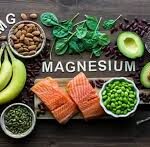
Magnesium is widely distributed in plant-based foods, making it easier for vegetarian diets to meet the requirement when whole foods are consumed.
Whole Grains
Whole grains are among the richest sources of magnesium.
Examples:
- Jowar (Sorghum)
- Bajra (Pearl millet)
- Ragi (Finger millet)
- Whole wheat
- Oats
- Brown rice
These grains retain magnesium because the bran layer is preserved.
Pulses and Legumes
Common Indian legumes provide good amounts of magnesium.
Examples:
- Chana (Bengal gram)
- Rajma (Kidney beans)
- Moong dal
- Masoor dal
- Soybeans
These foods also provide protein and fiber, supporting overall metabolic health.
Nuts and Seeds
Some of the best natural magnesium sources.
Examples:
- Almonds
- Cashews
- Peanuts
- Pumpkin seeds
- Sesame seeds (Til)
- Flaxseeds
A small handful daily can significantly improve magnesium intake.
Green Leafy Vegetables
Magnesium forms part of chlorophyll, which gives plants their green color.
Examples:
- Spinach (Palak)
- Fenugreek leaves (Methi)
- Amaranth leaves (Chaulai)
- Mustard greens (Sarson)
Fruits
Certain fruits contribute moderate amounts of magnesium:
- Banana
- Avocado
- Papaya
- Figs
Dairy and Other Foods
- Milk and curd
- Dark chocolate (in moderation)
- Coconut water
These foods contribute smaller but useful amounts of magnesium.
Dietary Factors that Improve Magnesium Absorption
Certain dietary habits help improve magnesium utilization.
1. Adequate Vitamin D: Vitamin D helps regulate mineral balance and improves magnesium metabolism.
2. Balanced Calcium Intake: Maintaining the right balance of calcium and magnesium is important for proper absorption.
3. Whole Food Diet: Eating minimally processed foods preserves magnesium content.
4. Healthy Gut Function: Probiotics such as curd, buttermilk, and fermented foods like idlis and dosas support mineral absorption.

Conclusion
Magnesium is a vital mineral responsible for hundreds of biochemical reactions in the body, including energy production, muscle function, nerve health, and bone strength. Unfortunately, modern diets high in processed foods can lead to inadequate intake.
Following a balanced Indian diet rich in whole grains, pulses, nuts, seeds, and green leafy vegetables, as recommended by ICMR dietary guidelines, can help maintain optimal magnesium levels and support overall health.
Ensuring adequate magnesium intake not only improves energy levels and muscle health but also supports heart health, blood sugar regulation, and stress management, making it an essential nutrient for long-term wellness.