






Written by Gurleen and Reviewed by Dr. Manvir Bhatia, 13.04.2026
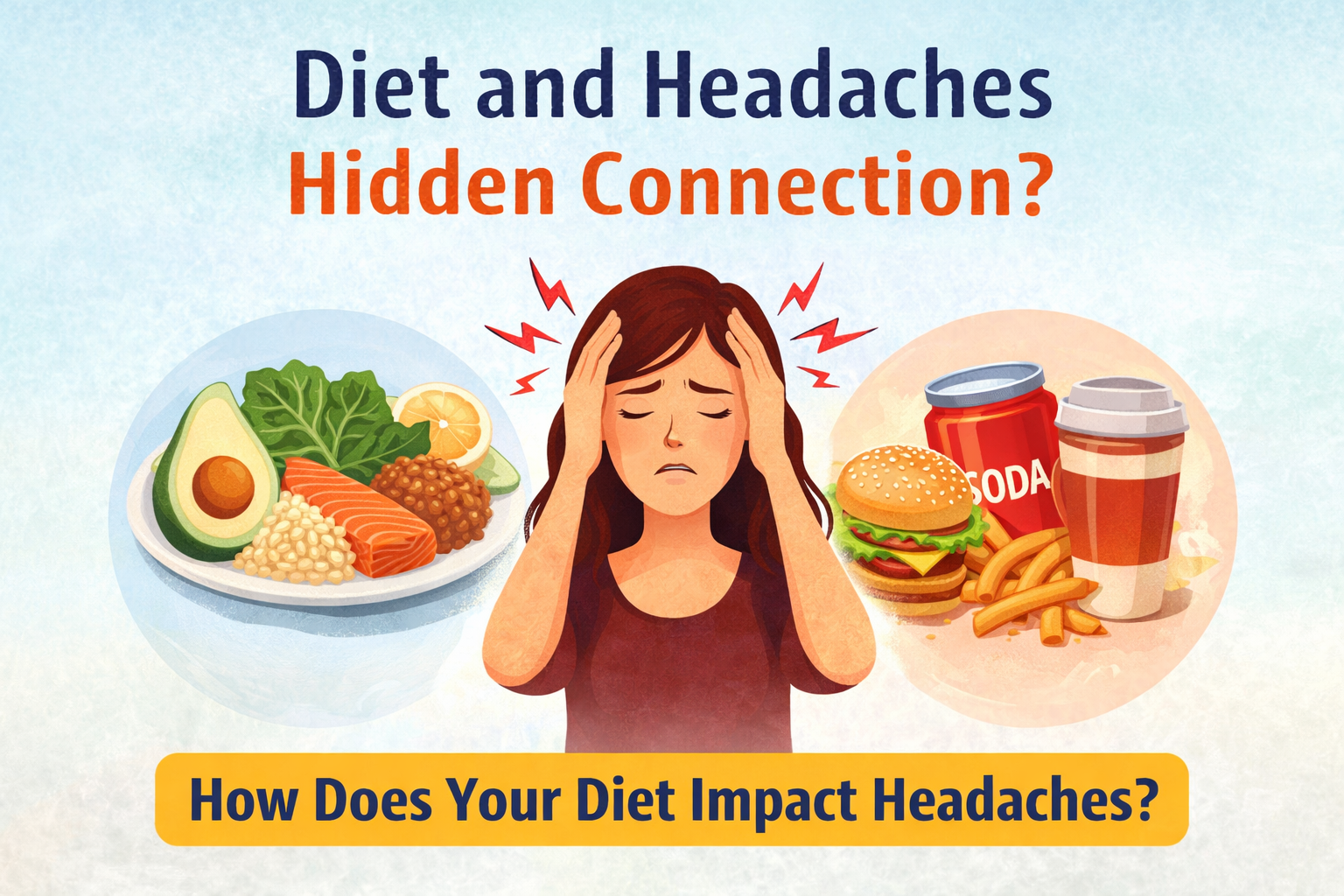
Headaches are among the most common health concerns affecting people of all ages. While stress, poor sleep, and medical conditions are often blamed, one powerful factor is frequently overlooked—your diet.
What you eat directly impacts your brain through changes in blood sugar, hydration levels, inflammation, and neurotransmitters. Understanding this connection can help reduce headache frequency and improve overall well-being.
Do Diet and Headaches Go Hand in Hand?
Absolutely. The brain requires a steady supply of nutrients, glucose, and hydration to function optimally. Even slight imbalances can trigger headaches.
For instance:
- Skipping meals can lead to low blood sugar and dizziness
- Dehydration reduces blood flow to the brain
- Certain foods may trigger migraines in sensitive individuals
Maintaining a consistent and balanced diet is therefore key to preventing headaches.
Common Dietary Causes of Headaches
Headaches are often linked to everyday eating habits. Some of the most common triggers include:
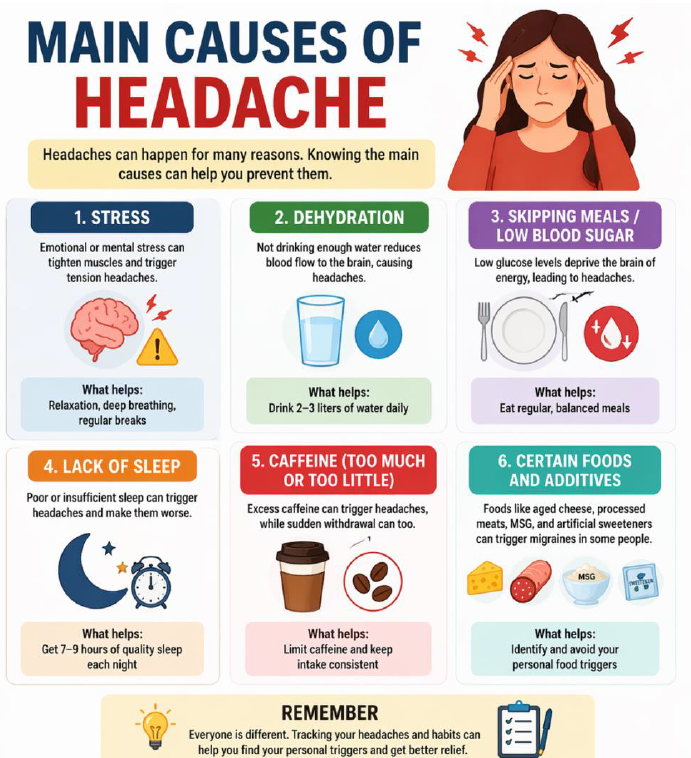
1. Dehydration
Not drinking enough water can reduce oxygen supply to the brain, leading to headaches.
2. Skipping Meals
Long gaps between meals cause drops in blood sugar, resulting in fatigue and headaches.
3. Caffeine Imbalance
Both excessive caffeine intake and sudden withdrawal can trigger headaches.
4. Nutrient Deficiencies
Low levels of essential nutrients such as:
- Magnesium
- Vitamin B12
- Vitamin D
- Iron
can increase headache frequency.
5. Food Sensitivities
Certain foods like processed meats, aged cheese, MSG, and artificial sweeteners may act as triggers.
6. Stress & Hormonal Changes
Diet influences hormone balance and stress levels, indirectly contributing to headaches.
How a Healthy Diet Helps Prevent Headaches
A well-balanced diet supports multiple body functions that influence headache patterns. It helps to:
- Maintain stable blood sugar levels
- Reduce inflammation
- Support brain and nerve function
- Improve gut health
- Keep the body hydrated
Foods to Avoid: Common Headache Triggers
If you frequently experience headaches, consider limiting:
- Processed and packaged foods
- Excess caffeine and energy drinks
- Artificial sweeteners (like aspartame)
- Aged cheeses
- Processed meats
- Fried and high-sodium foods
- Sugary and carbonated drinks
- Alcohol
These foods may cause inflammation, blood vessel changes, or sudden blood sugar spikes.
What to Eat for Headache Relief
Adopting the right dietary habits can significantly reduce headache frequency.
1. Stay Hydrated
Drink 2–3 liters of water daily.
2. Eat Regularly
Avoid long gaps between meals to stabilize blood sugar.
3. Include Magnesium-Rich Foods
Magnesium helps relax blood vessels.
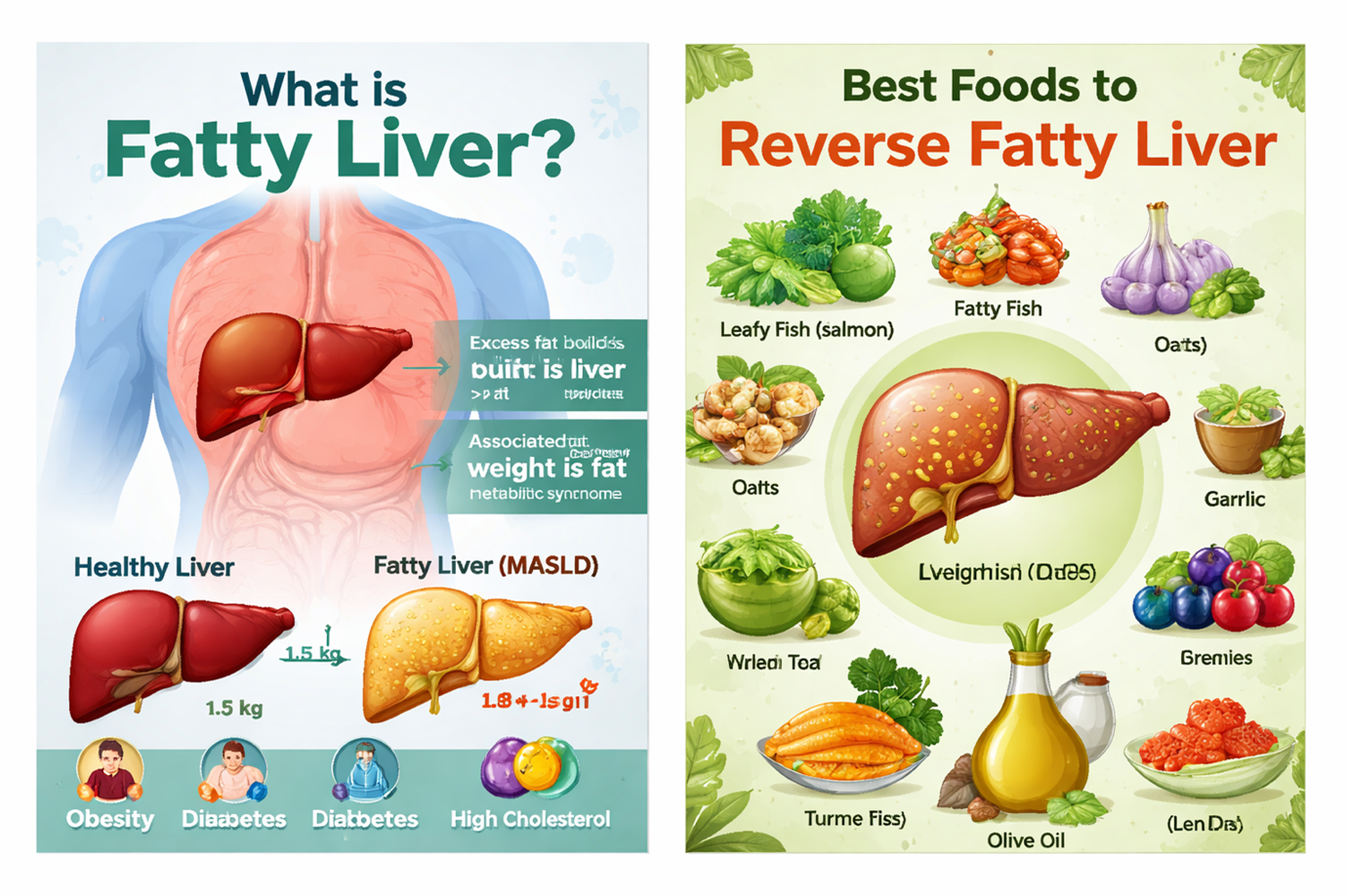
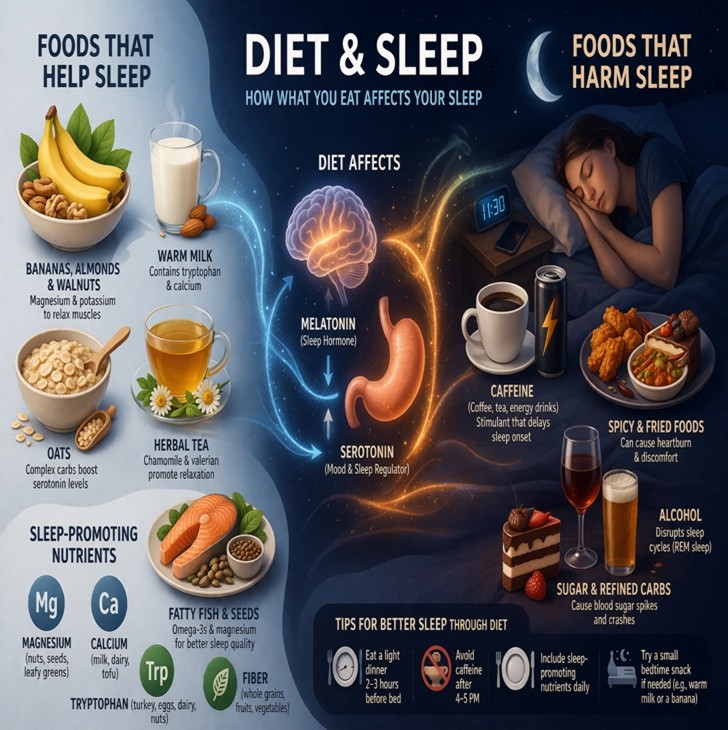
Examples: Spinach, almonds, pumpkin seeds, avocados, whole grains
4. Add Vitamin B-Rich Foods
Supports nerve health.
Examples: Eggs, lentils, bananas, dairy, whole grains
5. Focus on Anti-Inflammatory Foods
Examples: Turmeric, ginger, berries, leafy greens, olive oil
6. Improve Gut Health
Include yogurt, probiotics, fiber-rich foods, fruits, and vegetables
The dietary plate shown on page 5 emphasizes balanced meals with whole grains, vegetables, lean proteins, and healthy fats—an ideal approach for headache prevention.
Sample Daily Diet for Headache Prevention
A simple structured diet can make a big difference:
- Early Morning: Warm water with lemon or soaked almonds
- Breakfast: Oats with fruits/seeds or vegetable omelette with whole grain toast
- Mid-Morning: Fruit with nuts
- Lunch: Roti/brown rice, dal, vegetables, and salad
- Evening Snack: Buttermilk or roasted nuts
- Dinner: Light meal like vegetable soup or grilled protein with vegetables
- Before Bed: Warm turmeric milk (optional)
Final Thoughts
Headaches are often your body’s way of signaling imbalance—whether it’s dehydration, nutrient deficiency, or poor eating habits. While medications may offer temporary relief, long-term management lies in lifestyle changes.
By staying hydrated, eating balanced meals, and avoiding trigger foods, you can naturally reduce headache frequency and severity.
In simple terms: what you eat can either trigger your headaches—or help prevent them.