The Beginning: Subtle Signs in a Busy Life
Meet Ms. Susannah, a 38-year-old schoolteacher who loved her job and spent long hours teaching, grading papers, and helping her students. But a few months ago, she began noticing something unusual..
By afternoon, her eyes felt heavy, and her vision sometimes blurred. During long conversations, her speech became slightly slurred. By evening, she could barely keep her eyelids open while reading.
After a good night’s sleep, she felt completely fine again — ready to start the next day. She thought it was just stress or lack of rest, like many hardworking professionals do.
Why would this be something serious?
Over the next few weeks, her symptoms quietly worsened. Her arms began to feel weak while writing on the board, and during dinner, chewing food became tiring. Simple tasks started demanding unexpected effort.
The pattern became clear — fatigue increased with activity and improved after rest. That’s when Mrs. Susannah realized this wasn’t just tiredness. It was something more.
Seeking Answers: The Neurology Consultation
Concerned, she decided to visit a neurologist.During the examination, the doctor noticed:
This raised suspicion of a neuromuscular junction disorder, where the signal between nerve and muscle is disrupted.
The Diagnostic Journey
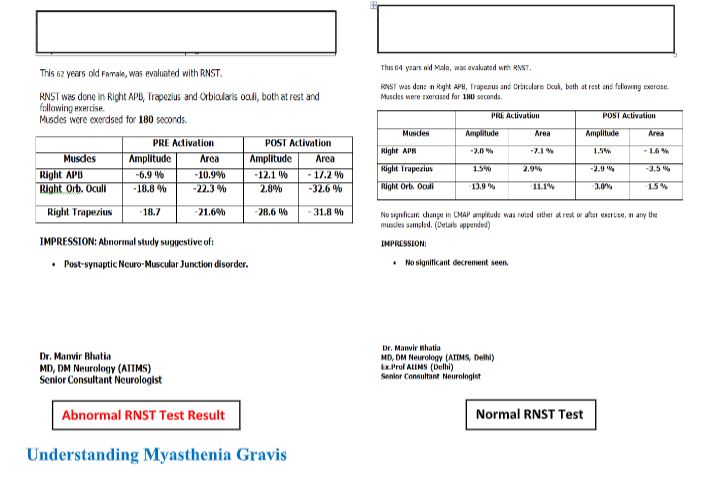
To confirm the suspicion, the doctor ordered several tests:Final Diagnosis: Generalized Myasthenia Gravis
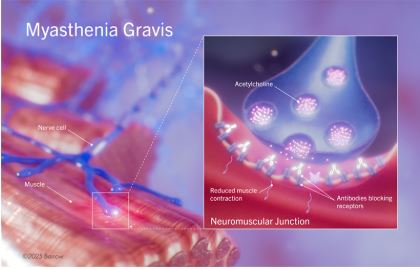
Myasthenia Gravis (MG) is autoimmune disorder where the body’s immune system attacks the receptors that help nerves communicate with muscles.
As a result, muscles tire quickly and recover after rest — creating the pattern of “weakness that comes and goes.”
How It Affects:
Common Symptoms:
How It Affects:
Management and Hope
Mrs. Susannah was started on:Within a few weeks, her energy and strength returned. She could once again teach with confidence, manage her household, and enjoy time with family.
Regular follow-ups helped monitor her progress and keep her condition well controlled.How It Affects: